
Aloft is Alift for the Senses

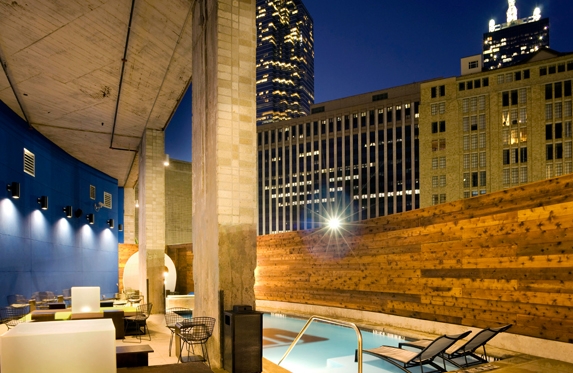
AS I walked into the lobby of the Aloft Downtown Dallas hotel, I wasn’t expecting much out of the ordinary in this historic-looking, factory- type building in downtown Dallas.

AS I walked into the lobby of the Aloft Downtown Dallas hotel, I wasn’t expecting much out of the ordinary in this historic-looking, factory- type building in downtown Dallas. But I immediately did a double take. It looked like I’d wound up at a mixture of a hip nightclub, art gallery, and trendy café. Soon enough, however, I was pleasantly surprised to find I was where I wanted to be: the Aloft Downtown Dallas.

Owned by Starwood Hotels & Resorts, the group that also has chains like Westin, Sheraton, W Group, Regis and Le Méridien, Aloft is an enjoyable change from the norm. I don’t usually wander hotel corridors to admire the interior design, but Aloft inspired me to do so. When I first checked into my room, I had to stroll around a few times to take it all in. After I sat down to relax, I walked around the room again just to see if I’d missed anything (which I had!). Then looking out my window across the street at the Dallas Convention Center, train station and City Hall, I was reminded how conveniently located the hotel is. For frequent travelers, hotels are a blur of similar designs. That’s not the case with Aloft. It is a lift for the senses.

Aloft is a “select” service hotel that does not have bellmen but caters to on-the- move business-savvy travelers who know what they want. The other primary segment of their clientele includes guests attending conferences at the convention center across the street.
(more…)

Hiroyuki Suzuki Photo Exhibit Interview #2

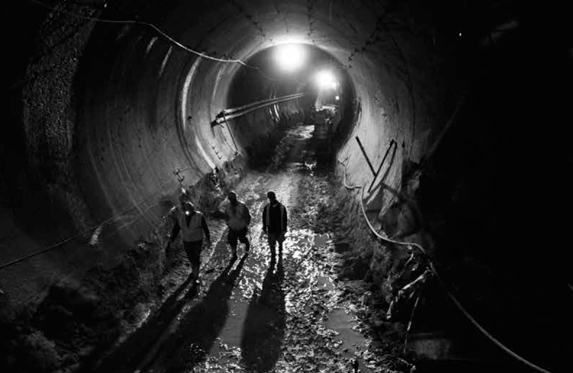
Hiroyuki Suzuki’s camera lens has taken him to construction sites around the world in an ambition to capture the instability, energy, beauty and hope – he sees as intrinsic within these sites.

Hiroyuki Suzuki

TJ: How and why did you get interested in this style of photography?
Suzuki: I shoot pictures of buildings, not people. However, my pictures can tell people there was a process that went into the history of a building, and there were people involved in the development and timeline of the building. Although very few of my pictures have people in them, it is my hope that people, who look at my pictures, see that people were involved in the creation of that building or thing.

My sensitivity is very sharp for seeing a picture perfect moment and I can see when 1 +1 = 3 very quickly. In 2006, I instantly captured the moment for a striking picture of a bridge being built where the opposite sides were created, but the middle joining piece was missing. I like to photograph very unusual or shocking moments like that. It’s like making a documentary movie and I feel like I’m like a war journalist. For example, if I see a bridge being built while driving to work in the morning, I know it might look very different when I go back home at night, so I have to quickly react to photograph it as soon as possible.

建築の瞬間

TJ: この撮影スタイルにこだわるようになった いきさつは?
スズキ: 私は人でなく建物の写真を撮ります。 でも私の写真は、建物の歴史を物語る移り変わ りがあり、建物の発展と来歴に関わった人たち がいたことを、見る人に語りかけることができ ます。私の写真に人間が写りこむことはほとん どないのですが、わずかな例外の場合も、その 建物やモノの創造に関わった人であることを感 じてもらえればと思います。

写真についての完璧な瞬間に対する私の感性は 非常に鋭く、1+1 が3 になる瞬間を即座に見 極めることができます。2006 年には、建設中 の橋の決定的瞬間をとらえました。両側が作 られていて中央の結合部分が欠けた格好の橋で した。私は、そうした普通でない、あるいは衝 撃的な瞬間を撮影したいのです。ドキュメンタ リー映画の制作に通じるところもあり、従軍 ジャーナリストのような気がしています。たと えば、朝の通勤途中に建設中の橋を見かけたと します。夜、家に帰る頃には全く違う光景に

(more…)

Chavez and the World

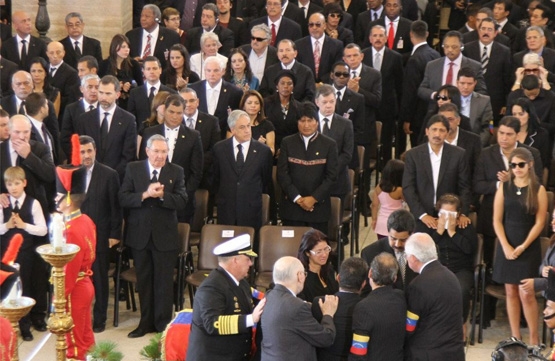
IN October 1999, after only eight months in office, Venezuelan President Hugo Chavez made a state visit to Japan. I had the honor of meeting him at The Foreign Correspondent’s Club in Tokyo after he gave a speech that remains engraved in my memory. He shared with the diplomatic corps and journalists his discussion with the Emperor of Japan who had asked him how a country as rich in natural resources as Venezuela can have 80% of its population living under the poverty line. Chavez confessed that while he welcomed the Emperor’s concern, he was not expecting such a question from him.

The Emperor pinpointed the dilemma Chavez faced all his life: a huge disparity between the rich and the poor. How can it be that Venezuela’s vast natural resources could only benefit the elite? How can such a trend be reversed after plaguing his country for so long? How could anybody convince the country’s privileged class that it is in their interests that the fundamental rights of all Venezuelans are respected? Is it acceptable that foreign companies control 95% of the petroleum reserves of his country?

(more…)