
A Life in Jazz, Pop, and Film
Tracing the Creative Journey of a Japanese Music Pioneer
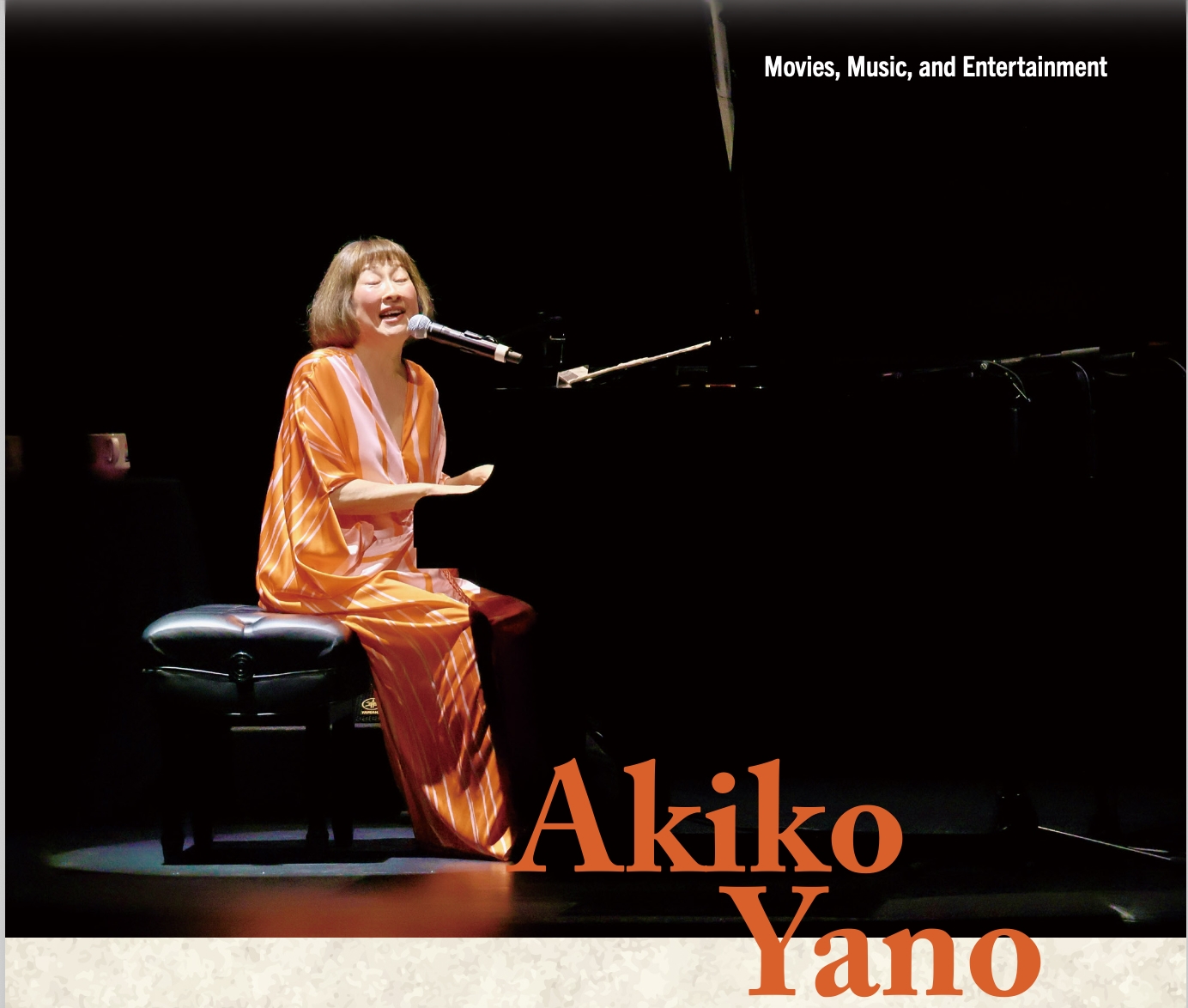
Akiko Yano, a pop and jazz singer, is a major talent and influence in the Japanese music industry. She has released 50 albums and collaborated with musicians like Hiromi Uehara, Rei Harakami, Pat Metheny, Thomas Dolby, Swing Out Sister, Little Feat and the Yellow Magic Orchestra (YMO). She has also collaborated as a composer and voice actor with numerous film directors, most notably the anime legend Hayao Miyazaki of Studio Ghibli. Yano’s music is known for its whimsical, mischievous touch and innovations. Attending an Akiko Yano concert live is a transformative experience, inspiring audiences with joy and admiration to also express themselves as raw and authentically as she does. Formerly married to the late globally acclaimed musician Ryuichi Sakamoto, a pioneering member of YMO, she continues to inspire both the Japanese and American music industries today with both her talent and melodies. In 2025, Akiko’s live album with Hiromi, Step Into Paradise, won the Japan Gold Disk Award for Jazz Album of the Year. Tokyo Journal’s Editor-in-Chief, Anthony Al-Jamie, met with Akiko in Los Angeles to discuss her career.
A Life in Jazz, Pop, and Film
Tracing the Creative Journey of a Japanese Music Pioneer
Akiko Yano, a pop and jazz singer, is a major talent and influence in the Japanese music industry. She has released 50 albums and collaborated with musicians like Hiromi Uehara, Rei Harakami, Pat Metheny, Thomas Dolby, Swing Out Sister, Little Feat and the Yellow Magic Orchestra (YMO). She has also collaborated as a composer and voice actor with numerous film directors, most notably the anime legend Hayao Miyazaki of Studio Ghibli. Yano’s music is known for its whimsical, mischievous touch and innovations. Attending an Akiko Yano concert live is a transformative experience, inspiring audiences with joy and admiration to also express themselves as raw and authentically as she does. Formerly married to the late globally acclaimed musician Ryuichi Sakamoto, a pioneering member of YMO, she continues to inspire both the Japanese and American music industries today with both her talent and melodies. In 2025, Akiko’s live album with Hiromi, Step Into Paradise, won the Japan Gold Disk Award for Jazz Album of the Year. Tokyo Journal’s Editor-in-Chief, Anthony Al-Jamie, met with Akiko in Los Angeles to discuss her career.
TJ: How did you start your illustrious career in music?
YANO: I began my career when I was about 14 years old. My parents were very supportive of my dreams and allowed me to return to Tokyo to live with my grandparents when I was 15. In high school, I played with the student jazz clubs and soloed at restaurants and outdoor clubs in Tokyo, Yotsuya, and Aoyama. Then I came to the United States in 1990, where I have been living and playing ever since.
TJ: What instruments are you able to play and who are some of your musical influences?
YANO: I can only play the piano. Regarding musical influences, I started listening to Stan Getz and Max Roach on the radio when I was 12. I didn’t have any formal jazz mentors, so practicing their music was how I learned and developed my own style.
TJ: Outside of music, do you have any sources of inspiration?
YANO: Overall, space, the universe, and nature in general are my biggest inspirations; they provide me with the motivation I need to create and write.
TJ: What do you think is special or unique about your musical style and performance?
YANO: All aspects of my music are rooted in who I am personally- that is what makes it unique. I believe all music is remarkable because every musician has their own distinct approach. Sure, there are some who can play better than I do, but when it comes to my own music, I believe I’m the best person to perform it.
TJ: What is the songwriting process like for you? How do you adapt that process to visual arts like anime and film?
YANO: There is definitely more focus on composing, and I find the creative process to be more strictly bound within professional guidelines. Since movies and animation belong to the directors, I work with their requests to ensure my work aligns with their vision. When I worked with Hayao Miyazaki, he asked me to voice characters like fish and yokai (ghosts). Working with him was very interesting, though not easy; it took a lot of time, dedication and attention to detail. However, seeing the final product is always satisfying, so it’s worth it.
TJ: How have the artists that you’ve collaborated with over the years impacted you?
YANO: Everyone that I have collaborated with have been great musicians with amazing ideas; I felt privileged to work with them. There hasn’t been just one person who has impacted me, but many. I worked with Rei Harakami until his untimely passing, as well as Ryuichi Sakamoto. Sakamoto’s music is absolutely beautiful; it’s impossible to describe.
TJ: Do you still consider yourself Japanese despite living in the United States for such a long time? How do you think your Japanese heritage influences your music?
YANO: Of course! I think being Japanese is reflected in my love for min’yo, Japanese traditional folk music, and the sound of the shamisen, a traditional Japanese instrument; they’re integrated into some of my music.
TJ: How do you feel about today’s young Japanese musicians? Do you have any advice for them?
YANO: I think they’re great! I’ve seen more and more Japanese bands and musicians traveling around the world to perform, which is amazing. As for my advice to young artists, I would say that there is a lot of knowledge to be gained from staying home, but there are so many more amazing opportunities out there. Go see the world and get to know the people in it! tj

矢野顕子
ジャズ、 ポップス、 映画に生きる
日本音楽界のパイオニア 創造の旅の軌跡
ポップスとジャズをカバーする矢野顕子は、その並外れた才能で日本の音楽界において大きな存在感を放つ。 これまでに50枚のアルバムをリリースし、上原ひろみ、レイ・ハラカミ、イエロー・マジック・オーケストラ (YMO) など数多くのミュージシャンとコラボしてきた。世界的に高く評価された音楽家でありYMOの創設メンバーであった 故・坂本龍一とはかつて婚姻関係にあった。音楽活動に加え、多くの映画監督ともコラボしており、特にスタジオジブ リの宮崎駿には楽曲を提供し、声優として彼の作品に出演もしている。矢野の音楽は、一風変わっていて茶目っ気が あり、進化し続けることで知られる。2025年、上原ひろみとの共演ライブ・アルバム「Step Into Paradise -LIVE IN TOKYO-」が第39 回 日本ゴールドディスク大賞「ジャズ・アルバム・オブ・ザ・イヤー」を受賞。 現在もなお、日米の音楽業界において、その才能と楽曲で多くの人々を魅了する矢野に、『Tokyo Journal』編集長 がロサンゼルスで話を聞いた。
TJ:長年にわたり音楽業界で活躍されていますが、業界に足を踏み入 れたきっかけは?
矢野 : キャリアのスタートは、14 歳の頃です。両親は私の夢を全力で 応援してくれて、15 歳の時に東京に戻り祖父母のもとで暮らすことを 許してくれました。高校のジャズ研に在籍しつつ、四ツ谷や青山など のレストランやクラブでソロで演奏していました。1990 年に渡米して 以来、アメリカを拠点に音楽活動を続けています。
TJ:演奏できる楽器は? 影響を受けたミュージシャンは?
矢野 : 演奏できるのはピアノだけです。影響という点で言えば、12 歳 の頃からラジオでスタン・ゲッツやマックス・ローチを聴き始めました。 きちんとジャズを習ったわけではありませんが、彼らの音楽を練習す ることで、自分のスタイルを築いていきました。
TJ:これまでにコラボしたアーティストの中で、特に印象に残ってい る方は?
矢野 : 共演した方々はどなたも優れたミュージシャンで、アイデアも卓 越していました。共演できて光栄に思っています。特に誰かというより、 多くの方々から影響を受けました。たとえば、レイ・ハラカミや坂本 龍一とは亡くなるまで一緒に仕事をしました。坂本さんの音楽は本当 に美しく、言葉では言い尽くせません。
TJ:音楽以外で、創作のインスピレーションの源は?
矢野 : ざっくり言えば、宇宙や自然が私にとって最大のインスピレー ションの源です。そこから創作のエネルギーをもらい、曲を書いてい ます。 TJ:長年アメリカで生活されていますが、今でもご自身を日本人だと 感じますか? 日本の文化はご自身の音楽にどのような影響を与えてい ますか? 矢野 : もちろんです!日本人としての自覚は、私の音楽に組み込まれた 日本の民謡や三味線への愛に反映されています。
TJ:ご自身のスタイルやパフォーマンスの個性はどういう点にあると 思いますか?
矢野 : 私の音楽のあらゆる要素が私のスタイルを構成し、唯一無二の音 楽になります。音楽はすべからく、ミュージシャン一人ひとりが独自 のアプローチを持つからこそすばらしいのだと思います。私よりも演 奏が上手な人はたくさんいます。でも、私の音楽に関しては、私が一 番うまく演奏できると思っています。
TJ:アニメや映画などの映像作品の音楽は、通常の作曲のプロセスと 異なりますか?
YANO: 創造性を楽曲に翻案するのは、より専門的技術を要すると思い ます。映画やアニメは監督の作品なので、私は彼らの要望を踏まえた うえで、彼らのビジョンに沿うようにします。宮崎駿さんと仕事をし た時は、魚や妖怪といったキャラクターの声を担当してほしいと言わ れました。彼との仕事はとても面白かったけれど簡単ではなく、時間 をかけて丁寧に取り組みました。でも、完成作はいつも満足いくもので、 苦労のかいがあります。
TJ:昨今の日本の若いミュージシャンをどう思いますか? 彼らへのア ドバイスは?
矢野 : すばらしいと思います! 最近は、世界中を飛び回って演奏する 日本のバンドやミュージシャンが増えていて、とても喜ばしいことで す。若いアーティストたちには、日本で学べることもたくさんあるけ れど、世界にはもっと多くのすばらしい経験が待っていると言いたい。 世界を見て、人々を知ってほしいです。tj