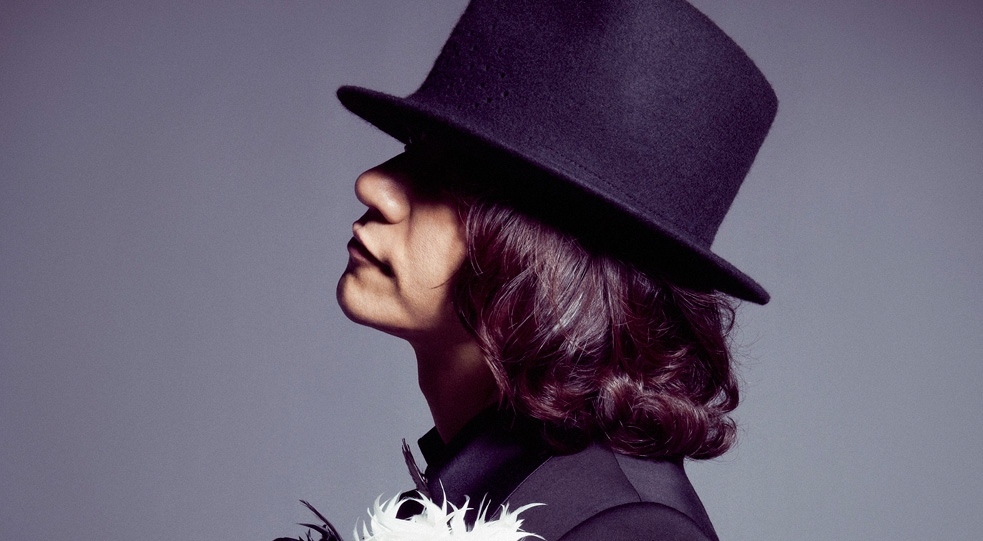
Interview with Diamond Yukai

JAPANESE rock rebel Diamond Yukai, who was born Yutaka Tadokoro in 1962, continues to reinvent himself in a music, film, television and writing career that has spanned nearly three decades.

As a teen, his parents, who were civil servants in Saitama, wanted him to conform to the system. They told him he would never succeed as a rock and roller. Diamond Yukai proved them wrong in the mid-eighties by forming Red Warriors, a band that went on to fill stadiums throughout Japan including the legendary Budokan and Seibu, the latter of which seats close to 40,000.

During this time, Diamond Yukai branched into the movie industry, beginning with a starring role in the 1988 movie “Tokyo Pop” directed by Fran Kuzui, creator of “Buffy the Vampire Slayer” and Fox TV’s hit series “Angel.” He co-starred in “Tokyo Pop” with actress Carrie Hamilton, daugh- ter of the legendary comedienne Carol Burnett. He went on to appear in Sofia Coppola’s “Lost in Translation” in 2004 and numerous Japanese films and television dramas.
(more…)

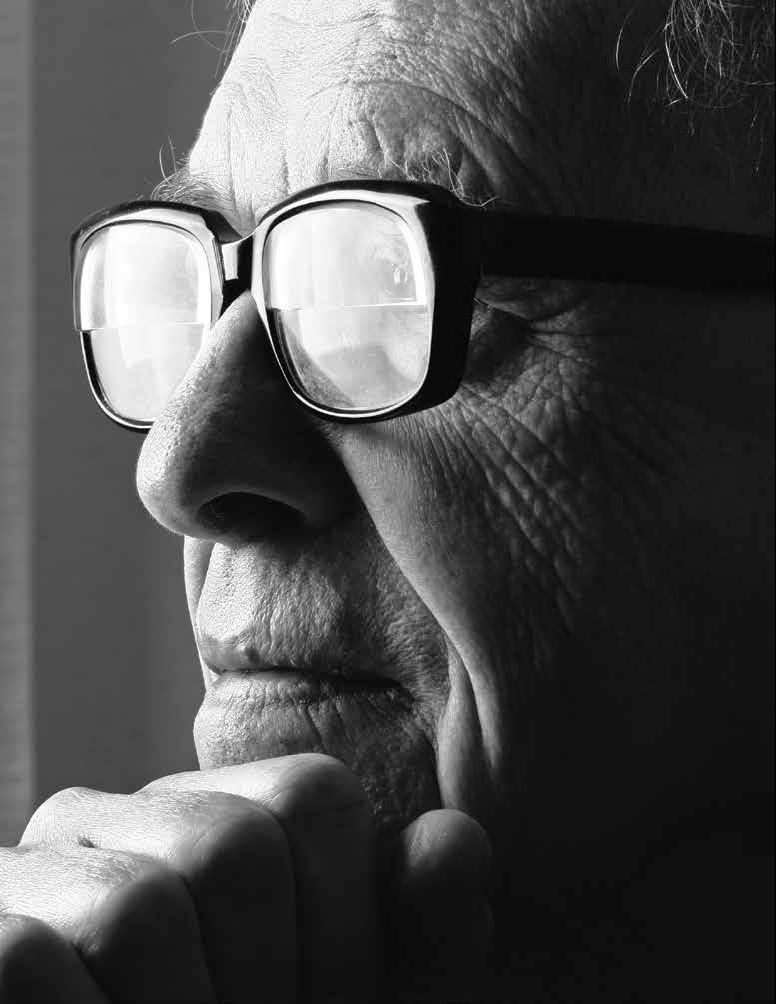
Remembering Donald Richie: A Living Tribute

Donald Richie, a world authority on Japanese film, culture and the post-World War II lives of the Japanese, passed away in Tokyo on February 19, 2013. He was 88. Born in Lima, Ohio on April 17, 1924, Donald grew up with a love for cinema. He moved to Japan on December 31, 1946 as part of the U.S. Occupation. During the early part of his stay in Japan, he worked as a typist and civilian staff writer for the U.S. Military newspaper, the Pacific Stars and Stripes. He returned to the U.S. and received a B.S. in English from Columbia University before going back to Japan. He went on to write several books on Japan and its cinema and filmmakers as well as other topics. He wrote for English-language publications in Japan including The Japan Times, in which he had a regular column as a film critic, and the Tokyo Journal, for which he interviewed and contributed several pieces over the years.

(more…)

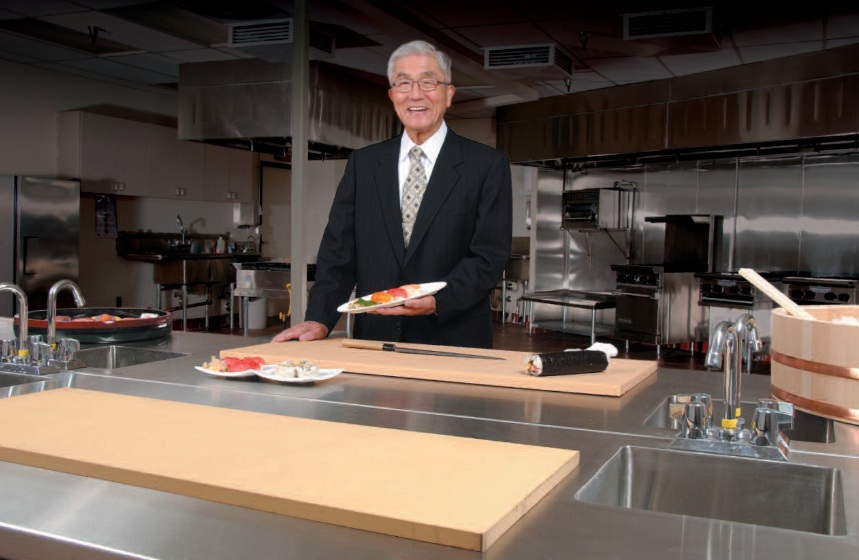
The Man Who Brought Sushi to America

The Man Who Brought Sushi to America By Dr. Anthony Al-Jamie

This is the first in a series of interviews with Noritoshi Kanai, President of Mutual Trading, the man who coined the phrase “sushi bar”.

TJ: When did you become President of Mutual Trading?
KANAI: 1976.

TJ: Who was the original founder of Mutual Trading?
KANAI: Sadagoro Hoshizaki in 1926. He was a merchant in Little Tokyo from Odawara, Japan. At the time, it was difficult to bring Japanese food from Japan, so he created a co-op with other Japanese people in the area to import Japanese food to the U.S. When the war broke out in 1941, all Japanese had to go into internment camps. Most merchants in Little Tokyo were hawking their businesses and belongings, but near Mutual Trading on First Street there was a school called Maryknoll Catholic School that had a lot of Japanese students. The administrators said, “Just bring in all of your belongings and we’ll keep them in the basement.” The people at Mutual Trading were very lucky. However, the majority of the other people came back to Little Tokyo and found nothing. They had to rebuild and they needed utensils and cooking ware. So Mutual Trading had a purpose and was able to get back into business right away by helping many families in Little Tokyo get started with their lives again. I came into the business from the Tokyo side, with Tokyo Mutual Trading, which was the Tokyo-based export arm of Mutual Trading in Los Angeles (the import arm). I started Tokyo Mutual Trading in 1952.

(more…)

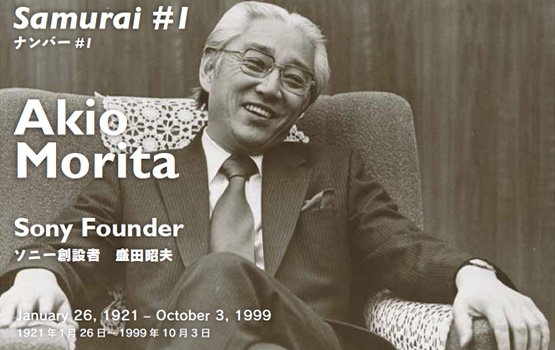
Samurai #1: Akio Morita

Article by Dr. Anthony Al-Jamie (continued)

AKIO Morita was born the eldest son of a sake brewer and was groomed from childhood to take over as the fifteenth head of what is now a 400-year-old sake brewery. Morita studied physics at Osaka Imperial University. After graduating in 1944, he joined the Japanese Imperial Navy, where he met his future business partner, Navy researcher Masaru Ibuka.

(more…)

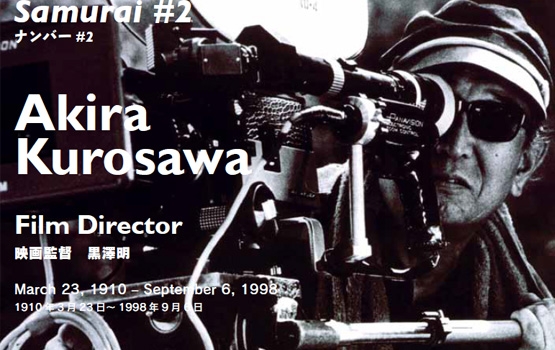
Samurai #2: Akira Kurosawa

Article by Dr. Anthony Al-Jamie (continued)

Akira Kurosawa was born in Tokyo and from a young age was inspired by art and reading. He began his film career as an assistant director for the renowned Japanese director Kajiro Yamamoto. Kurosawa was well read, and Yamamoto appreciated his vast knowledge. Within five years Kurosawa was writing scripts and directing sequences for Yamamoto’s films. In addition to being a great filmmaker, Kurosawa had an eye for selecting actors. He chose people with strong emotions and distinct facial expressions. He went on to make some 30 movies, many featuring his favorite leading actor Toshiro Mifune.

(more…)

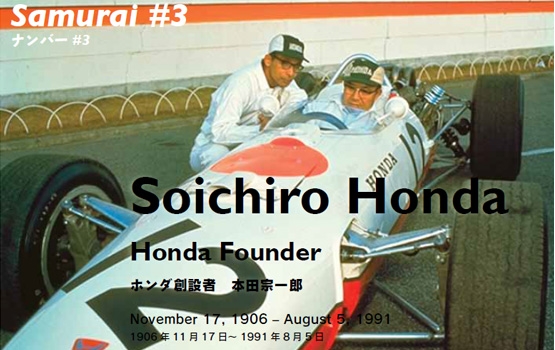
Samurai #3: Soichiro Honda

Article by Dr. Anthony Al-Jamie (continued)

SOICHIRO Honda was born in Shizuoka, Japan. His father, a blacksmith, owned a bicycle repair shop and Honda spent his early childhood helping him fix bikes. As a child, he was fascinated by airplanes and it is said that after he viewed an airplane demonstration by pilot Art Smith, Honda’s love for machinery and invention was instilled in him forever.

(more…)

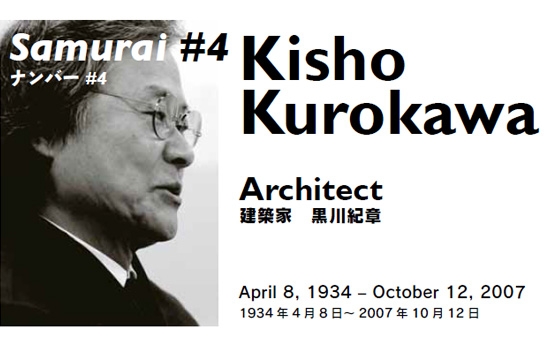
Samurai #4: Kisho Kurokawa

Article by Dr. Anthony Al-Jamie (continued)

KISHO Kurokawa was born the son of an architect in Aichi, Japan. During WWII he was sent to live with his grandparents in a Buddhist temple. He bunked in a teahouse there that later served as an inspiration for his creative works.

(more…)

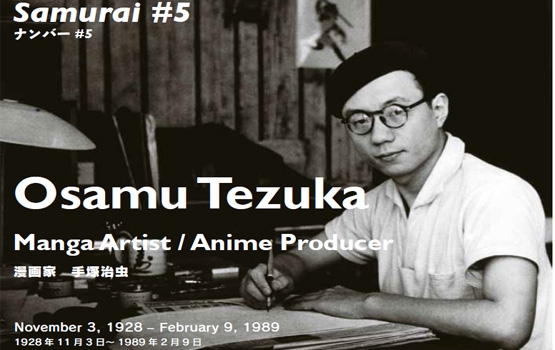
Samurai #5: Osamu Tezuka

Article by Dr. Anthony Al-Jamie (continued)

Osamu Tezuka was a Japanese manga artist and animator, a producer, political activist and a medical doctor who never practiced medicine. He is often referred to as “Manga-no-Kami Sama” (the God of Manga), and is best known as the creator of “Astro Boy” and “Kimba the White Lion”. Although he graduated from Osaka University with a medical degree, his professional career as a manga artist began while he was still at university. He decided to follow his heart and devote himself to manga. Later, in the sci-fi manga “Black Jack,” he was able to apply his scientific knowledge.

(more…)

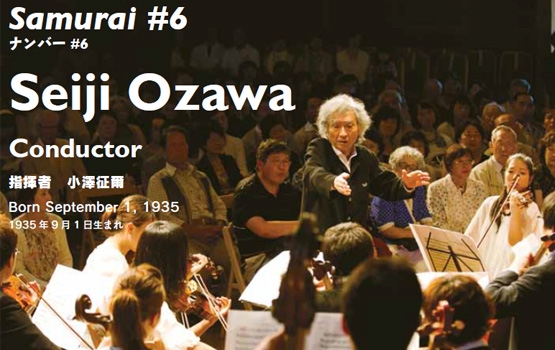
Samurai #6: Seiji Ozawa

Article by Dr. Anthony Al-Jamie (continued)

SEIJI Ozawa began his music career as a piano student only to sprain his finger playing rugby as a teenager. Unable to continue the piano, his teacher at the Toho Gakuen School of Music in Tokyo brought Ozawa to a performance of Beethoven’s Symphony No. 5, a life-changing event that shifted his focus from piano performance to conducting.

(more…)

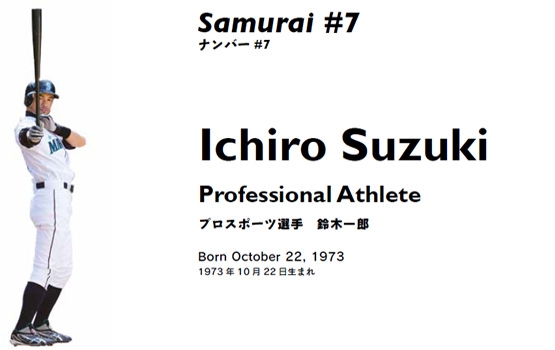
Samurai #7: Ichiro Suzuki

Article by Dr. Anthony Al-Jamie (continued)

ICHIRO Suzuki likes to go simply by “Ichiro.” Since the age of 12, he has focused on building a career in baseball. His father mentored Ichiro with rigorous training from a young age, and it has been said that Ichiro built strength and stamina by hurling car tires and by hitting whiffle balls with a heavy shovel. These strenuous exercises helped to develop power and endurance for his thin frame. In high school he had an incredible batting average of .505 with 19 home runs. Despite these impressive numbers, Ichiro was not drafted until the fourth and final round of the Japanese professional baseball draft as teams were concerned about his physique due to his very light frame. Ichiro was with the Orix Blue Waves from 1992 to 2000, proving to be one of the best players in the game before leaving for the American Major Leagues to play with the Seattle Mariners in 2001.

(more…)