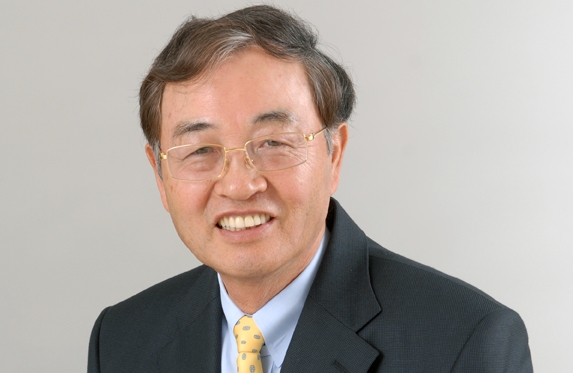
Former Accenture Chairman Masakatsu Mori, shares his 30 years experience of advising many of Japan’s leading corporations as well as foreign corporations doing business in Japan and beyond.
TJ: Companies in Japan are revolutionizing the meaning of globalization by making English the official language of their headquarters, even while others are remaining domestic- minded by not promoting English in the workplace. What are your thoughts on these approaches, and which approach do you think is needed for Japan? On another note, why do you think Japan has been struggling with competition from companies in China and South Korea, and what can Japan do to remain competitive?
Mori: Japanese corporations have accumulated a wealth of capital and technology, with the total in accumulated cash at US$2.5 trillion. Japanese companies hold the top five spots for highest patent values in the world. Even so, the number of business leaders able to do business in the global market lags behind other major countries. The development of executives who can harness Japan’s huge capital and technological resources for doing business in the global market is a national priority. Two young companies are leading this charge: Fast Retailing and Rakuten. They are challenging Japanese corporations by aggressively transforming into global players with sustainable growth. This is leaving its mark on traditional companies, albeit gradually. More companies are starting to consider at least minimum TOIEC scores before hiring new employees and promoting others to management positions. Being able to speak English and understand different cultures and business habits are now seen as keys for success in the global marketplace.
(more…)