
Garrity’s Japan

The Open Road Part II

The following is a continuation of Robert Garrity’s story describing his walk across Japan replicating Haiku Poet Matsuo Basho’s 2,500 kilometer journey from Fukugawa, Tokyo to Japan’s northern wilderness, as detailed in Basho’s world-famous “Oku no Hosomichi”. Robert Garrity began this journey in Summer of 1994, and broke it down into segments, walking the different segments each time he returned to Japan.

Basho Memorial Hall:
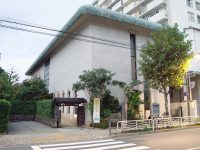
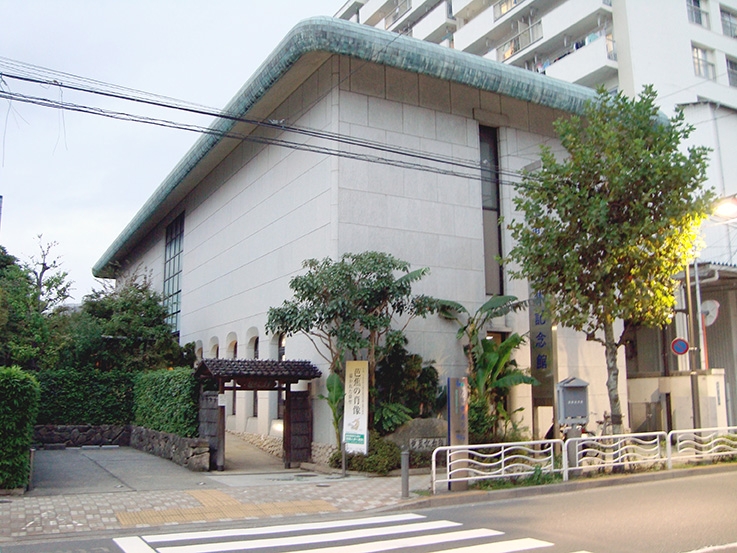
On the other side of the Sumidagawa bridge and down the street several blocks on the river- side is the Basho Memorial Hall, on the site of Basho’s original home. There is a banana tree in front that marks the hall.
(more…)

Editor’s Insight

Globalizing Haiku

Over the past 25 years or so, the Japanese art and literature form haiku has grown in popularity from its humble beginnings as an appendage to tanka poetry.

As a student of haiku, I have studied the styles of the four great masters Matsuo Basho, Yosa Buson, Kobayashi Issa and Masaoka Shiki.

But in attempting to write haiku in English in the 5-7-5 syllable format, I have found it difficult to find the sense of balance associated with the traditional poems.

(more…)

Garrity’s Japan

The Open Road

As I sit at home in Hawaii, enjoying our short winter, or rainy season as many locals call it, I am reminded of a journey I took in the summer of 1994. At the time I was studying haiku poetry and the life of one of its most prominent icons, Matsuo Basho. It is difficult to turn a page of a book on haiku poetry without running into Matsuo Basho. He usually is the first author a foreigner meets when they begin haiku.

I decided to replicate Basho’s trip to Japan’s northern wilderness as detailed in his world-famous “Oku no Hosomichi.” A fifteen hundred mile journey from his home in Fukugawa, Tokyo to the north country of Hiraizumi, then left to Yamagata and south to Lake Bizen and ending his journey shortly after.

(more…)