
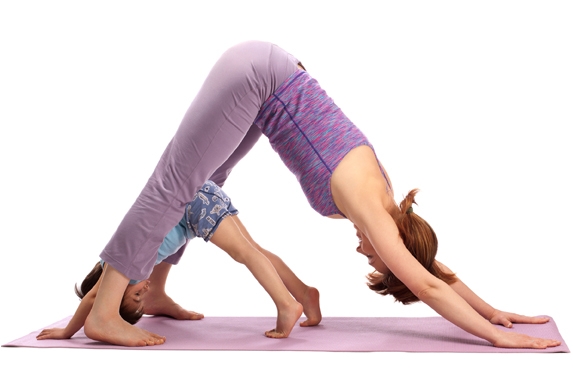
A regular visitor to Tokyo, New York City-based Yoga Instructor and Interculturalist Judit Torok shares her techniques for alleviating big city stress.
Yoga for Everyone
I recently read an article about parents of elementary school children in California who were outraged about their children practicing Ashtangastyle yoga at school as part of their physical education program. They claimed that yoga is inappropriate and dangerous for kids because they believe their children are being indoctrinated into the Hindu religion in a public school. I couldn’t disagree with them more. These parents, and unfortunately many other people, hold inaccurate notions of this ancient practice.
A regular visitor to Tokyo, New York City-based Yoga Instructor and Interculturalist Judit Torok shares her techniques for alleviating big city stress.
Yoga for Everyone
I recently read an article about parents of elementary school children in California who were outraged about their children practicing Ashtangastyle yoga at school as part of their physical education program. They claimed that yoga is inappropriate and dangerous for kids because they believe their children are being indoctrinated into the Hindu religion in a public school. I couldn’t disagree with them more. These parents, and unfortunately many other people, hold inaccurate notions of this ancient practice.
The idea that yoga is a religious activity designed to worship Hindu deities is just one of the many misconceptions about it. People frequently associate yoga with Indian gurus with long beards, bead necklaces and white turbans. A more modern misperception is perpetrated by the media images of well-toned and attractive young people in eye-catching yoga poses captured generally on the beach with a beautiful sunset behind them or in a forest with a waterfall as the background. While purely religious sects of yoga do exist and there are expensive yoga retreats organized at Caribbean beaches, these are not the norm and instead obscure what I believe is yoga’s universal appeal.
Yoga is for everyone. Yoga is at its core a system of pose, stretches and breathing and relaxation techniques that can be beneficial for all people, from children to adults of both sexes and people with disabilities, the pregnant, overweight and even the elderly. Are you the type who enjoys working out at the gym, building muscle and toning your body? Yoga is for you. It works your core muscles while strengthening joints and building flexibility in ways that complement your gym routine. Or perhaps you are the type who avoids the gym and this leaves you with a nagging guilt for failing to exercise enough. Well, yoga is for you too. It provides a non-competitive environment to safely explore what your body can do as well as to push your limits for building strength and flexibility while getting in shape and becoming healthier.
Everyone needs a good stretch once in a while. Yoga provides effective ways to get all your muscles and joints working in harmony. Many people choose to practice yoga primarily for the relaxation of body and mind. This calming and meditative aspect of the practice is an added benefit even for those who perceive it mainly as exercise. Consistent yoga practice tones the body and can even contribute to healthy weight loss over time. Other benefits include improved breathing and digestion, ease of aches and pains, a stronger immune system and elevated self-esteem. Joining a yoga community also can be attractive to those who work long hours and don’t have much of a chance to socialize and meet new people outside their co-workers.
I teach yoga at LaGuardia Community College in New York. Not in a studio, not in a club, but at one of the most diverse learning institutions in the country, where the halls are lined with the flags of over 100 nations. My yoga classes reflect this great diversity of ethnicities, cultures, religions, experiences, ages and abilities. On any given day I welcome Americans, Caribbeans, Blacks, Hispanics, Asians and Europeans into my class. I teach students in their early 20s, working adults, middle-aged men and women and retirees. Some are skinny; others might be considered overweight. Some have flexible bodies; others tighter. My yoga class meets the needs of everyone who chooses to attend. We practice the Vinyasa-style, which coordinates deep breathing with slow, carefully-sequenced movements to explore our bodies. I explain and demonstrate each step of the yoga pose clearly and provide more difficult alternatives for those wanting to challenge themselves and easier postures for beginners. Everyone enjoys it and leaves feeling lighter and rejuvenated.
Take a step toward a calmer, healthier you and consider giving yoga a try. To get started, my first advice is not to be afraid. Seek out a studio or community center in your neighborhood and sign up for a beginner class. Try out different styles. They can be quite different, so you might find that one fits you more than another. Teachers and studios also approach yoga differently, so don’t be discouraged if your first experience isn’t what you expected. Before you jump into an organized class, you could also get started on your own. Read more about it or view a couple of free videos online. Regardless of how you begin, keep in mind that noticeable results in improved health, weight and well-being come only from persistent practice — just as with anything else. Find the time in your busy schedule to give yoga a try. How’s that for a New Year’s resolution? tj
ヨガ専門家 ユディット トロク
万人のためのヨガ
最近、カリフォルニアの小学校で体育教育の一 環として子供にアシュタンガヨガを教えること に親が抗議しているという記事を読みました彼らは、公立学校で子供がヒンズー教に洗脳さ れると考え、ヨガは子供にとって不適切で危険 だと主張しているといいます。彼らを批判する 気はありません。彼らは、そして不幸なことに それ以外の多くの人も、この古くからの伝統に 誤った印象を抱いているのです。
ヨガが、ヒンズーの神々を崇拝するための宗教 活動であるという考えは、ヨガに関するよくあ る誤解の1つです。ヨガというと、ターバンを 巻いたヒゲの長いインドのグルを連想する人が 大勢います。最近では、美しい日没のビーチや 滝のある森で目を引くポーズをとる、鍛え上げ られた体の若く魅力的な人たちのイメージがメ ディアを通じて広まり、別の意味でヨガが誤解 されるようになっています。純粋に宗教的なヨ ガのグループも確かに存在する一方で、カリブ の島の浜辺でぜいたくなヨガの瞑想も行われて います。どちらもヨガの標準的な姿ではなく、 私がヨガの普遍的魅力であると考えるものを見 えにくくしています。
ヨガは誰もが楽しめます。ポーズやストレッチ、 呼吸やリラクゼーション技術で構成するシステ ムを核としており、年齢や性別や障害の有無を 問わず、妊婦や肥満気味の人や老人にも効果が あります。あなたはジムで筋肉を鍛え体を調整 するのが好きなタイプですか?それならヨガは ピッタリです。ヨガはコアマッスルに働きか け、関節を強化し柔軟性を鍛え、ジムでのト レーニングを補完してくれます。一方、ジムに 行ったりせず、運動不足を嘆くタイプのあな たにもヨガはピッタリです。競技ではないの で、自分ができることを安全に試しつつ限界を 広げていき、筋力や柔軟性を高めると同時に、 体を引き締め健康を維持することができます。
健康のためには、時々手足を十分伸ばすこと が必要です。ヨガの動きは、筋肉と関節が調 和して働くように機能します。多くの人がヨ ガを選ぶ大きな理由の1つに、体と心のリラ クゼーションがあります。ヨガのリラクゼー ションと瞑想という側面は、ヨガを単なる運動 をとらえる人にとっても付加価値となります。 ヨガを続けると体調が整えられ、じっくりと 健康的に体重を減らすこともできます。それ 以外にも、呼吸と消化機能の改善、痛みの軽減、 免疫機能の強化、自己評価の向上などの効果 があります。仕事が忙しくて会社の仲間以外 に出会いの機会が少ない人にとっては、ヨガ を通じた人とのつながりも魅力的です。
私はニューヨークのラガーディア・コミュニ ティー・カレッジでヨガを教えています。スタ ジオやクラブでなく、全米でも最も多様な教 育機関の1つです。ホールには100 以上の国 の旗が並んでいます。私のヨガクラスは、民族、 文化、宗教、経験、年齢、能力の多様性を反 映しています。どのクラスでもアメリカ人に 加え、カリブ諸国、アフリカ、ラテンアメリカ、 アジア、ヨーロッパなど多様なバックグラウン ドを持つ人々を歓迎しています。生徒は20 代 前半の若者から社会人、中高年の男女や定年後 の人など様々です。痩せている人も肥満気味の 人もいます。体が柔軟な人も固い人もいます。 参加者のニーズに合わせた指導をしています。 体の機能を高めるため、深呼吸と計算された一 連のゆったりとした動きで構成するヴィンヤサ スタイルを採用しています。私は各ステップの ポーズを分かりやすく説明・実演し、チャレン ジしたい人にはより難しい動きを、初心者には より簡単な姿勢を教えています。誰もが楽しみ、 体が軽くなり若返ったように感じています。
心身の健康を向上させるための第一歩として、 ヨガを始めてみませんか。まずは怖れずに、 近所のスタジオやコミュニティセンターで初 心者クラスに申し込んでください。色々な種 類のヨガに挑戦してみてください。かなり違 いがあるので、自分に一番合うものを探せば いいでしょう。インストラクターやスタジオ によってアプローチの仕方が異なるので、最 初の経験が期待に沿わなくてもガッカリしな いでください。教室に通う前に自分でできる こともあります。本を読んだり、オンライン の無料映像を見るといいでしょう。入口はど うあれ、他のことと同じように、継続しなけ れば心身の健康と体重に目覚ましい成果を期 待することはできないことを肝に命じてくだ さい。忙しい合間を縫ってヨガに挑戦してみ ましょう。新しい年の抱負としていかがです か?tj
 |
 |
This story appeared in Issue 270 of the Tokyo Journal.
To order Issue 270, click here.